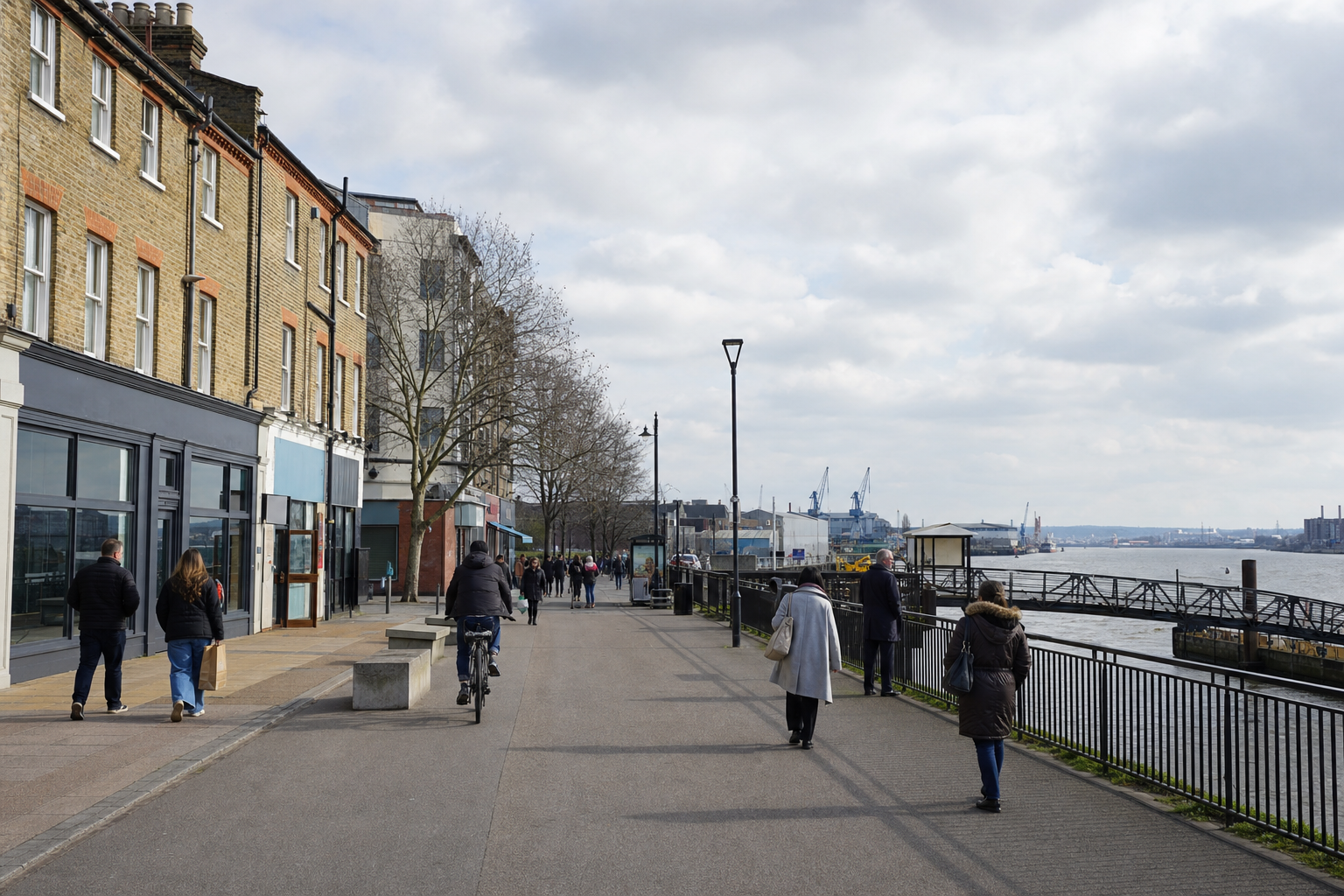
Why Erith roofs need the right system from Highpoint Roofing
System chosen to suit
We explain which roofs suit slate and tile, and which suit flat systems.
Flat-roof options compared
GRP, Ultraflex and felt are compared against the roof in front of us.
Estimate guided by structure
Inspections cover construction and drainage before a system is priced.
Choose the roof type to suit the build
If you need a roofer in Erith, the first question is often what type of roof the job actually suits. A pitched roof may need a new slate or tile covering, while a garage, extension or outbuilding could be better served by GRP, Ultraflex or three-layer torch-on felt. We inspect the property and talk through the use, shape and condition of the roof before we recommend a system. When you contact Highpoint Roofing for work in Erith, we explain the choice in practical terms so you understand why one route fits the structure better than another.
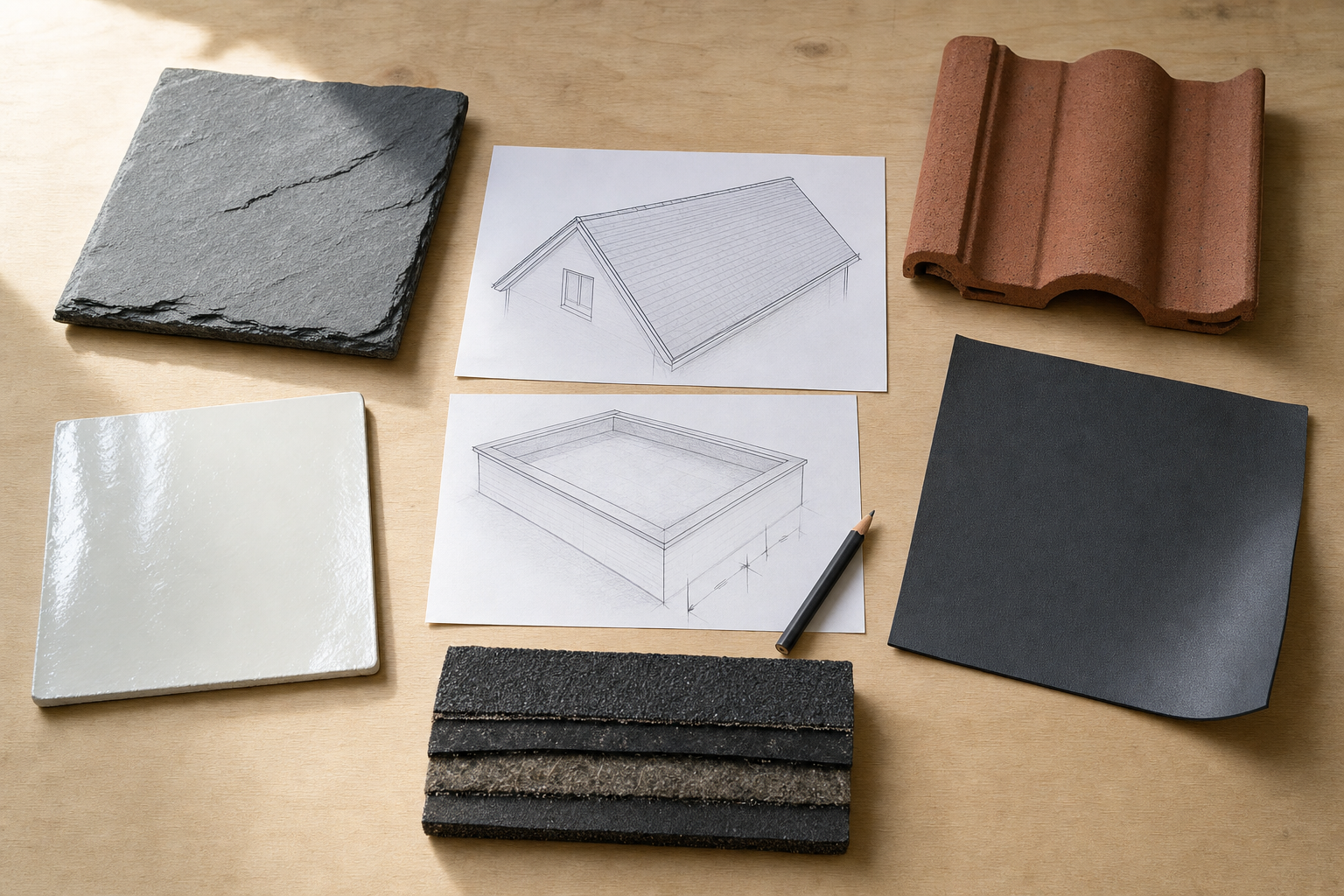

Condition, drainage and access guide the estimate
A proper inspection in Erith covers more than the visible surface. We check roof condition, construction, drainage, junctions and access so the estimate reflects how the roof actually needs to be built or repaired. That matters just as much on a leaking roof as it does on a planned new installation, because the wrong system on the wrong base simply stores up trouble for later. With Highpoint Roofing, you get clear advice on pitched coverings and flat-roof systems before any price is put in front of you.
Frequently asked questions
How do you decide between a pitched roof and a flat-roof system?
The shape and construction of the roof decide a lot of that. Pitched structures suit slate or tile coverings, while garages, extensions and similar flat roofs may be better matched to GRP, Ultraflex or felt. We inspect first, then advise from the structure outward.
Can you help with a leaking roof as well as a planned new roof?
Yes. Some Erith visits are for ongoing leaks and others are for planned improvement work. The inspection stage works for both, because it lets us judge the roof condition, the build-up and the best repair or replacement route before anything is priced.
What do you check during the site visit?
We look at condition, construction, drainage, junctions and access rather than judging the job by surface appearance alone. Those details tell us whether the roof can be repaired sensibly, which system suits it best and how the work needs to be planned.