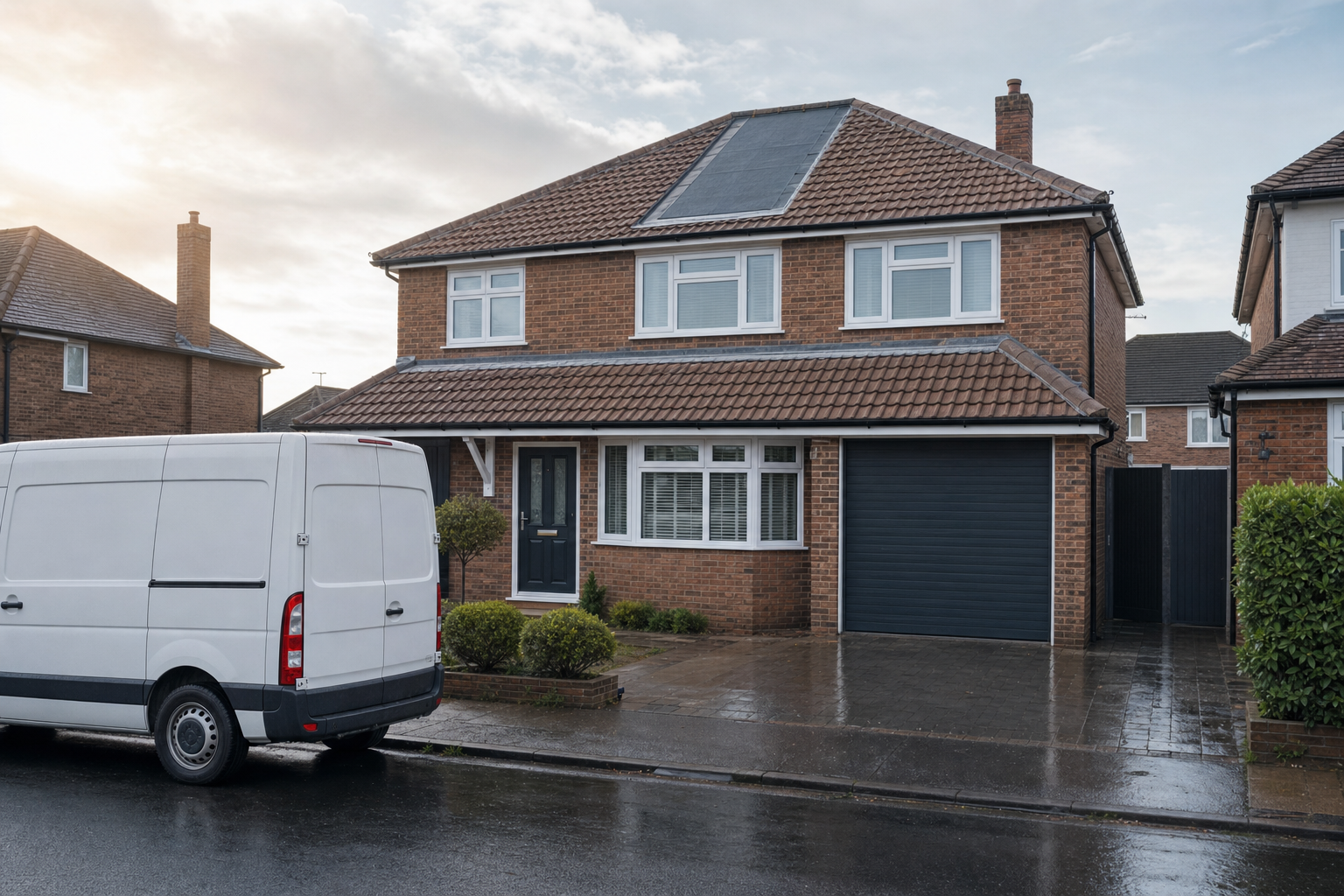
What you get from Highpoint Roofing in an emergency
Fast first action
Immediate action helps reduce damage to ceilings, insulation, timbers and belongings.
Clear phone guidance
We tell you what to say on the first call so attendance can be planned quickly.
Proper follow-on repair
Permanent repairs follow once the roof is safe to inspect fully.
Act quickly when the roof opens up
When water is running in or part of the roof has moved, it stops being a job for next week. Displaced tiles, exposed sections, torn flat-roof coverings and storm damage can all let the weather straight into the property, and the longer that carries on, the more likely it is to reach ceilings, insulation, timbers and belongings. In Dartford, we attend urgent roofing problems with the aim of assessing the risk quickly and getting immediate weatherproofing in place where it is needed. If you contact Highpoint Roofing, tell us what you can see, when it started and whether water is entering the house.
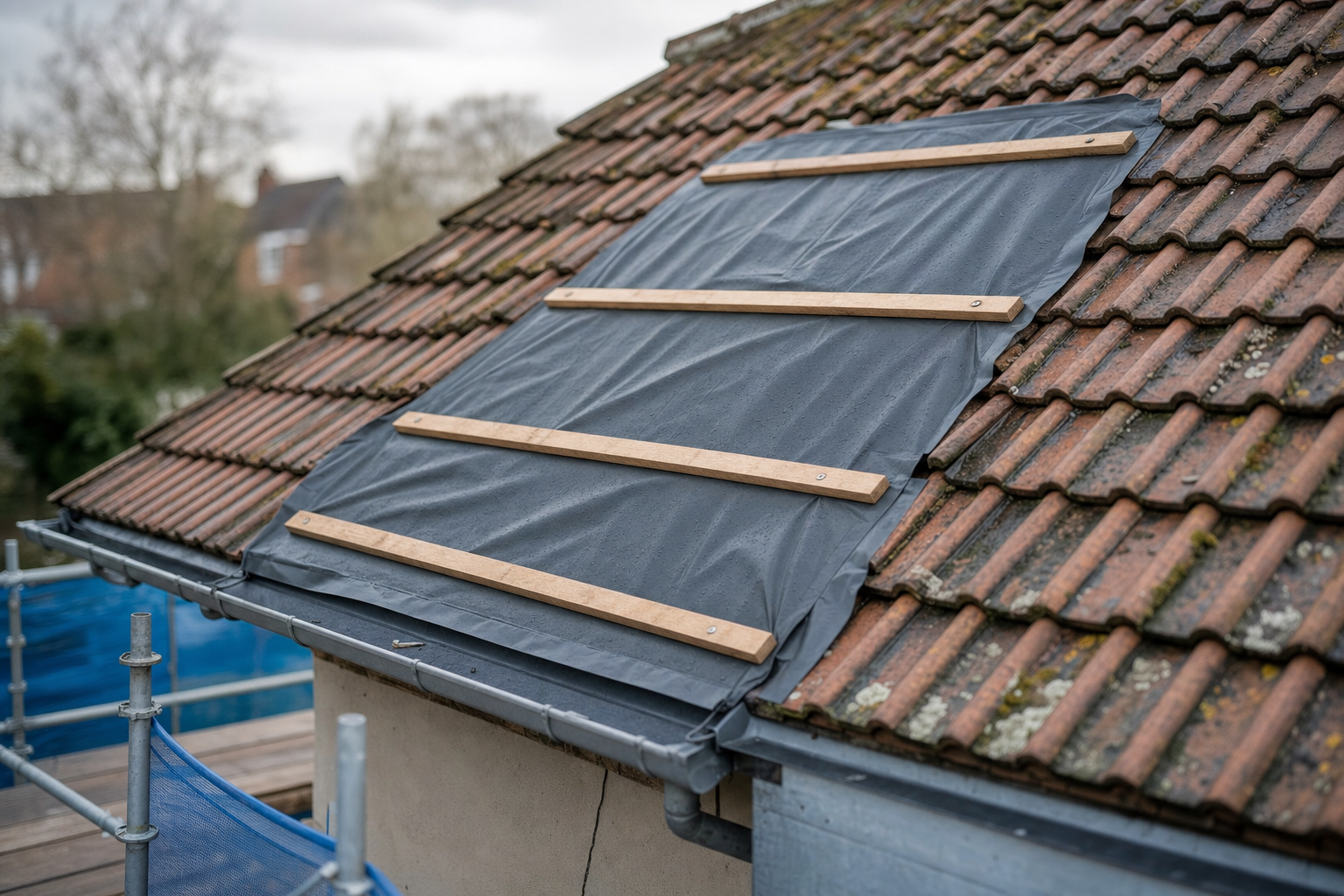

First make it safe, then plan the full repair
Emergency work is about stabilising the situation first, then planning any full repair once the roof can be checked properly and conditions are safe. We may need to control water entry, secure loose materials and confirm the wider extent of the damage before permanent remedial work is carried out. While you wait, keep clear of unstable areas and do not try to climb onto the roof yourself. A short, clear first call helps us understand the urgency and prepare for the visit without wasting time.
Frequently asked questions
What should I tell you on the first call?
We need the address, what damage you can see from ground level, when the problem began and whether water is coming in. That helps us judge the urgency, plan the safest response and explain what you can do indoors while waiting for attendance.
Should I try to get onto the roof myself?
No. Loose coverings, wet surfaces and hidden structural damage make emergency roofs risky even when the problem looks small from below. Stay clear of unstable materials, protect belongings inside if you can, and let us inspect the roof safely once we arrive.
Does an emergency visit include the full repair?
Not always. The first priority is making the roof safer and limiting further water entry. Once the conditions allow a closer inspection, we can explain whether the damage needs a follow-on repair, a more extensive remedial job or replacement of a failed section.